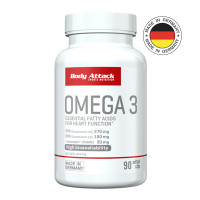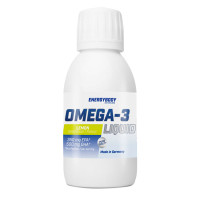
Omega 3 fatty acids
Gold capsules
Omega-3s: especially beneficial for women
The body needs omega-3 fatty acids to function, and their health benefits far outweigh your fear of gaining weight. However, the body cannot produce omega-3s, so you need to eat foods rich in these substances such as salmon, walnuts and flax seeds. If you don't eat these foods in sufficient quantities, omega-3 supplements are available.
In general, omega-3 helps reduce the risk of heart disease and cancer. However, women benefit more because omega-3 protects against certain conditions that only affect women, such as menstrual pain, osteoporosis, and rheumatoid arthritis.
Omega-3 fatty acids are a group of polyunsaturated fatty acids that are essential for human health, for certain vital functions and for a number of benefits. Alpha-linolenic acid (ALA) is essential for eye, nerve and membrane function. Eicosapentaenoic acid (EPA) and docosahexaenoic acid (DHA) are important for the production of prostaglandins, a hormone-like substance that normally helps regulate blood pressure, control inflammation, neurological function, hormone production, etc.

The human body itself cannot produce these essential fats such as ALA, EPA and DHA, so these nutrients will need to be obtained from the diet.
ALA is typically found in vegetable oils (e.g. flaxseed oil, soybean oil), nuts, and flaxseed.
DHA and EPA are long-chain fatty acids that can be synthesized from ALA in the human body, but conversion is slow and limited. Therefore, it is recommended to get EPA and DHA from seafood, mainly oily fish (e.g. salmon, tuna, etc.) and crustaceans (e.g. crab, oysters). For vegetarians and those who don't like to eat seafood, you can get these fatty acids from nuts and seeds, soy products, and green-leafy vegetables. In addition to dietary options, you can easily find omega-3 supplements with varying concentrations of EPA and DHA on the market.
Various studies show that eating oily fish and other seafood as part of a healthy balanced diet can improve heart health, prevent stroke, and reduce the risks associated with coronary heart disease. For healthy people at low risk of heart disease, consuming fatty fish at least twice a week as part of a healthy balanced diet will be sufficient to get enough omega-3 fatty acids.
A meta-analysis published in 2019 shows that adding omega-3 to the diet can reduce the risk of myocardial infarction, coronary heart disease, and death from cardiovascular disease. Studies show that for people who do not consume fish, 1 gram of omega-3 supplements per day may have a protective effect. Studies show that for people with a history of elevated triglyceride (TG) levels and cardiovascular disease, 4 grams per day of high-dose omega-3 supplements is considered safe and may be beneficial in reducing the risk of death from heart disease or heart attack, from stroke. However, it is recommended that you consult your doctor before starting any omega-3 supplements, especially for those who have other health conditions and are taking certain medications.
In addition to cardiovascular health benefits, omega-3 fatty acids have positive effects on other aspects of women's health.
4 reasons why women especially need omega-3s
The biggest benefit of omega-3's is related to heart health. This includes helping to maintain a regular heart rhythm, lowering blood pressure, lowering blood fat levels, and slowing the rate of blockages in our arteries. In addition to these general health benefits, omega-3's are especially beneficial for women for the following reasons:
1: can relieve menstrual pain.
Most women experience menstrual cramps and abdominal discomfort on a monthly basis. This condition is known as dysmenorrhea, which is usually caused by strong uterine contractions triggered by prostaglandins.
Two randomized controlled trials conducted in 2012 and 2018 show that omega-3 fatty acids may be effective in relieving menstrual pain due to their anti-inflammatory properties, and one study found that they also helped reduce the use of ibuprofen, which is commonly used as a pain reliever.
2: Ease rheumatoid arthritis.
Women are two to three times more at risk of rheumatoid arthritis (RA) than men, and it usually occurs in middle age. Rheumatoid arthritis occurs when the body's immune system attacks the mucous membrane of the joints, leading to inflammation and pain.
Two systematic reviews published in 2012 and 2017 suggest that fish oil supplements may help alleviate joint swelling, pain and morning stiffness, due to their anti-inflammatory effects and therefore reduce the use of NSAIDs. However, the dosage of EPA and DHA to achieve this anti-inflammatory effect is still unclear, so further research is needed.
3: Help prevent osteoporosis
Women tend to be at higher risk of osteoporosis than men, especially after menopause due to a drop in estrogen levels. Two systematic reviews published in 2012 and 2019 reported potential benefits of omega-3 fatty acids for bone mineral density. One review suggests that this effect may be enhanced concomitantly with calcium supplementation. However, the therapeutic dosage of fish oil to achieve this effect is still unclear.
4: Keep you in a good mood
Omega-3 may help fight depression, which is a problem for many women. Recent reviews have shown that omega-3 supplements are effective against serious depression (but not anxiety disorders). However, researchers believe that larger-scale, well-controlled studies are needed to find out the optimal dosage as well as the long-term benefits of using omega-3 to treat depression.
Add omega-3's to your diet!
Say the word “omega-3” and salmon comes to mind. Well, you don't necessarily have to eat the same fish three times a week. The foods listed below are also good sources of omega-3:
- Fish and seafood: Wild salmon, mackerel, herring, sardines, tuna, scallop, krill
- Nuts: Walnuts, Brazil nuts and soybeans.
- Plants: Algae, flax seeds or flaxseed oil, cauliflower, chickpeas.
If you are overweight, be careful with foods like nuts and oils as they are high in calories and can contribute to excessive weight gain.
If you want to make sure you are getting enough omega-3, you may want to consider taking supplements containing fish oil, krill oil, or DHA-rich algae oil.
However, always consult your doctor for specific recommendations or warnings based on your medical condition before you start taking any supplements, as omega supplements can thin the blood and increase the risk of bleeding when taken in high doses.